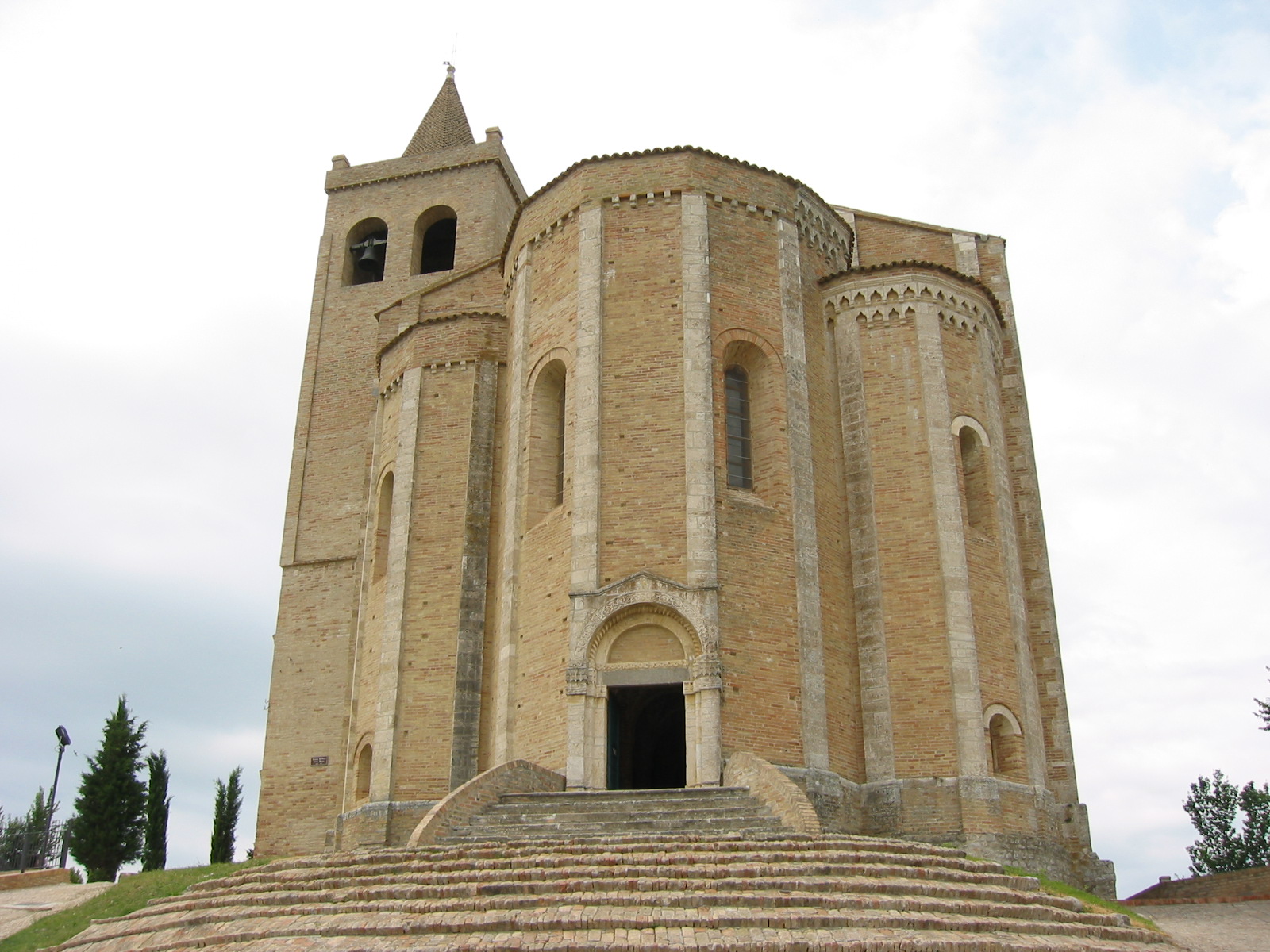
Un borgo da visitare quello di Offida ( CAP 63073), indiscutibilmente un gioiello di matrice italiana nascosto tra le colline del Piceno, dal 2008 segnalato come uno dei borghi più belli del Paese, che deve la sua curiosa conformazione alla singolare posizione geografica. Il paese di Offida sorge, infatti, su di uno sperone roccioso, tagliato dal torrente Lama – affluente del Tronto – che lo attraversa.
E non è soltanto la particolare “geografia” di Offida a renderla così affascinante, ma anche le sue origini, poco certe ancora oggi, perché le varie teorie – dedotte dagli studi compiuti – non hanno portato ad una conclusione condivisa.
Lo stesso toponimo è oggetto di diverse interpretazioni che non danno una teoria esaustiva su come sia nato il paese. Dapprima il nome “Offida” si è fatto risalire ad origine greca per l’etimologia di “Ophis” = serpente; poi romana, per il significato di “Oppidum” = città fortificata. Ma la teoria con i maggiori riscontri è quella che interpreta l’origine del nome come il risultato dell’unione di due radici di origine indoeuropea: “Oph” (ricco) e “Ida” (monte, colle).
La cittadina marchigiana, conosciuta come il paese del sorriso, del merletto e – soprattutto – del Carnevale, vanta una ricchezza di tradizioni, storia e folklore che la rendono sicuramente degna di una visita. Da un giro ad Offida potete aspettarvi panorami incantevoli, un’ottima cultura enogastronomica, mestieri antichi, artigianato, piazze e Chiese, testimonianze di un patrimonio storico antichissimo, che arriva sino al IX secolo a. C. Ma entriamo nel vivo della storia di questa cittadina così ricca di storia.
La nascita di Offida
Le origini di questo borgo così affascinante sono molto antiche, secondo alcune teorie Offida risale addirittura all’età della pietra.
Il primo popolo ad abitarla sembra essere stato quello dei Pelasgi, originario dall’Asia Minore. La teoria si fonda su alcune scoperte di necropoli sorte proprio nel territorio e nei suoi dintorni.
Anche gli Etruschi e i Piceni vissero in questo territorio, tra il IX e il XI sec. a.C., lasciando testimonianza del loro passaggio. Offida porta intatti i segni di civiltà che l’hanno resa ciò che è che oggi, un piccolo centro storico affascinante, un luogo rappresentativo della civiltà Picena.
Ma dal territorio di Offida sono emersi reperti e resti anche della civilità carolingia; Offida è stata poi territorio dello Stato Pontificio, oltre che riparo durante le guerre mondiali.
Secondo alcune versioni storiche la nascita di Offida sembra risalire al periodo della dominazione Longobarda nel Piceno (VI sec. d.C.), quando nel 578 d.C. il popolo barbaro mise in fuga i Piceni e furono fondati castelli nei colli piceni, i castelli di Montalto, Amandola, Comunanza, Appignano ed Offida.
Altri sostengono che il nome di Offida derivi da ‘oppidum’, ad indicare una cittadina fortificata dell’epoca romana e, pertanto, la fondazione e la denominazione di Offida andrebbero ricollegate alle tradizioni dell’egemonia romana.
Offida diviene un centro importante nel VII secolo, quando viene scelta come sede di un Gastaldato, (che presso i Longobardi era l’ufficiale preposto alle corti regie o alla città, amministrava i beni della corona ed aveva funzioni militari), di cui vi sono tracce anche in epoca carolingia e durante il Sacro Romano Impero.
La prima testimonianza storica certa, tuttavia, risale al 1039 quando il castello di Ophida viene ceduto all’Abbazia di Farfa da Longino d’Azone. Poi nel 1292, un’altra testimonianza storica, in seguito alla concessione da parte di papa Niccolò IV ai comuni marchigiani della facoltà di eleggere podestà, consoli e priori. In questo periodo storico Offida riceve riconoscimento ufficiale da parte delle istituzioni.
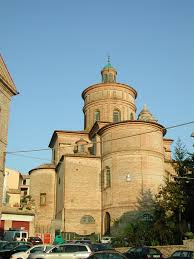
Nei secoli XIII e XVI la cittadina prende parte alle guerre tra Ascoli e Fermo, alleandosi con quest’ultima. E poi nella prima metà del Cinquecento alle sanguinose lotte interne tra Guelfi e Ghibellini. Solo nel 1831 Offida diviene ufficialmente “città”, ad opera di papa Gregorio XVI che la eleva al rango di centro urbano.
Alla fine del XIX secolo Offida inizia a vivere il passaggio da un tipo di economia prevalentemente agricola ad una di tipo artigianale, fino alla comparsa delle prime piccole industrie.
In epoca tardo-medioevale diviene, poi, centro di una vita urbana molto intensa; nel 1576 viene istituito il mercato cittadino e nel 1524, sotto il pontificato di Clemente VII, vengono riformati gli statuti comunali.
Nel 1808 le Marche entrano nel Regno Italico per volontà di Napoleone, ed in questo contesto avviene la suddivisione in Distretti, Cantoni, e Comuni, con un consiglio comunale che aveva compiti amministrativi ed una municipalità composta da un potestà, da un sindaco ed altre figure di comando nei Comuni più piccoli.
Nel 1860, un comitato rivoluzionario prende parte agli scontri contro l’esercito pontificio (che nel frattempo era tornato in auge dopo il Congresso di Vienna), sconfingendolo a Castelfidardo e assumendo il governo della città; successivamente, nel 1861, Offida diviene Provincia di Ascoli Piceno. Il primo sindaco offidano, nominato, è tale Domenico Curti.
Da questo momento vi sono molti cambiamenti che riguardano Offida, e che ne trasformano la conformazione economica, da agricola ad una più varia, fondata anche su un artigianato florido e su un processo di industrializzazione crescente. Infatti risale a quel periodo la nascita di un tabacchificio, la comparsa di industrie del baco da seta e degli stabilimenti bacologici.
Della tradizione antica di Offida fanno parte due importanti momenti artistico e culturale, il primo è un mestiere artistico di cui anora oggi se ne ha traccia passeggiando piacevolmente per il poccolo borgo. Parliamo del merletto a Tombolo, naturalmente, il fiore all’occhiello dell’artigianato locale. L’altro è il folkloristico Carnevale di Offida!
Il Merletto a Tombolo
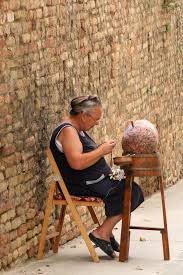
Il merletto a Tombolo fa parte della tradizione popolare di Offida. L’arte del merletto a tombolo ancora oggi viene tramandata di madre in figlia. Per chi si reca in visita in questa cittadina è possibile imabattersi in estate, fra vicoli e viuzze, nelle donne offidane sedute dinnanzi l’uscio di casa, impegnate nel lavoro del merletto a tombolo, una tradizione tipicamente femminile, che risale al 1400, quando inizia a prendere piede fra i ceti popolari e, solo dopo, nel secolo XVII, fra le comunità religiose e le famiglie aristocratiche. La pratica del merletto acquista popolarità proprio grazie alle suore benedettine, giunte ad 0ffida nel 1655.
Il Carnevale di Offida, una festa del popolo
Il Carnevale di Offida si fregia di tradizioni antichissime, che conservano traccia di antichi Baccanali greci, di Saturnali romani di origine agricola. Un’allegria senza freni, oltre le differenze sociali, feste con banchetti, processioni e mascherate.
Il Carnevale ad Offida è vissuto come un rito, contraddistinto da tradizioni particolari che, malgrado la modernità, restano salde nella volontà di chi vuole perpretrarne l’eccezionalità.
Il Carnevale offidano inizia il 17 gennaio, giorno di Sant’Antonio Abate, e termina il giorno delle Ceneri.
Tradizione vuole che il giorno della Domenica degli Amici, antecedente al Carnevale di due settimane, sia la fanfara della Congrega del Ciorpento ad annunciare l’inizio del Carnevale, con un’uscita fragorosa che avviene dal portone del cinquecentesco palazzo Mercolini. Da questo evento, partono le Congreghe (di parenti e amici) che diffondono la baldoria carnevalesca, facendo il giro del paese a ritmo di musica.
La sera di Giovedì Grasso il Sindaco consegna loro le chiavi della città che da quel momento passa sotto la loro “giurisdizione”.
Fra gli eventi, i veglioni, mascherate di bambini nel giovedì grasso, la caccia a “Lu Bov Fint” (il bove finto) del venerdì, e poi balli e feste in piazza durante il pomeriggio del martedì grasso. Infine, a chiudere la festa, la sfilata dei “Vlurd” che vede uomini e donne mascherati siflare con fasci di canne accesi sulle spalle, in fila indiana, ballando lungo il Corso, diretti verso la piazza principale al cui centro vengono disposti i bagordi in fiamme e tutto intorno le maschere corrono in cerchio.
In questo ultimo giorno, di martedì grasso, gli offidani si mascherano con il tipico “guazzarò” (un saio di tela bianca con fazzoletto rosso al collo), ed il volto dipinto di vari colori e occupano la piazza, danzando e lanciando coriandoli.
we are staying in Offida in may for one week vacancy
please send us information about the village and environments
thanks
J.Kleingeld
Graafschappad 1
5691 LZ SON
Netherlands